
health
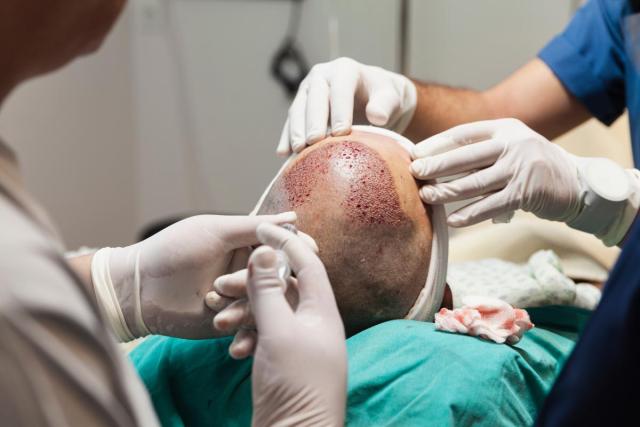

Understanding What Is the Role of Follicular Units in FUE Hair Transplant? is essential for anyone exploring modern hair restoration techniques, especially those considering advanced procedures in Dubai where precision-based approaches are widely preferred. Follicular Unit Extraction (FUE) relies on the natural grouping of hair follicles to achieve realistic density and long-term growth patterns. In clinical practice, this method is often associated with advanced regenerative planning and personalized graft handling, with facilities such as Dynamic Life Clinic contributing to its growing adoption in the region.
Fue hair transplant in dubai has become a highly searched term due to the increasing demand for minimally invasive and natural-looking solutions that align with modern grooming expectations.
Follicular units are the core building blocks in FUE procedures, and their role goes far beyond simple hair extraction. Each unit contains 1 to 4 hairs, along with supporting structures such as sebaceous glands and connective tissue. This natural grouping is what allows transplanted hair to mimic original growth patterns once implanted.
In FUE, surgeons do not extract individual hairs randomly; instead, they carefully remove intact follicular units to preserve their biological integrity. This ensures that the transplanted graft behaves as a natural extension of existing hair rather than appearing artificial or patchy.
Key functions of follicular units include:
Follicular units are naturally occurring clusters found in the scalp. They are not artificially created, which is why they play such a significant role in achieving realistic outcomes in FUE procedures. Each unit contains a small anatomical system designed to support hair growth, including blood supply connections and protective tissue structures.
From a biological perspective, these units act as mini-organ systems. Their natural configuration is what allows surgeons to transplant them without disrupting their growth potential. When preserved properly, they continue to grow hair in the same pattern as they did in the donor area.
Important characteristics include:
The Follicular Unit Extraction technique is designed around the concept of harvesting individual follicular units rather than strips of scalp tissue. This approach reduces visible scarring and allows for precise placement during implantation.
During the procedure, a micro-punch tool is used to isolate each follicular unit from the donor area. These units are then carefully stored in a controlled environment before being implanted into thinning or balding regions of the scalp.
The process generally involves:
This precision-based method ensures that the natural hairline is maintained and that density appears consistent across treated areas.
The success of FUE hair transplantation depends heavily on how well follicular units are preserved and placed. Since each unit contains multiple hairs, it allows for a layered and natural-looking density when distributed correctly.
Follicular units are essential because they:
In areas like the frontal hairline, single-hair follicular units are typically used for a softer and more natural edge. In contrast, multi-hair units are placed behind the hairline to build density. This strategic placement is what differentiates advanced FUE techniques from older transplant methods.
The viability of follicular units during and after FUE plays a critical role in the final outcome of the procedure. Since these units are delicate biological structures, their survival depends on both surgical technique and post-extraction handling.
Key factors include:
Even minor trauma during extraction can reduce the growth potential of a follicular unit. This is why modern FUE procedures focus heavily on minimizing handling time and preserving graft integrity throughout the process.
One of the most important applications of follicular unit science is in hairline design. A natural-looking hairline is not created using uniform grafts but by strategically placing different types of follicular units.
Single-hair units are placed at the front to create softness, while multi-hair units are positioned behind to build depth and density. This layered approach ensures that the result does not appear artificial or overly dense in a straight line.
Design considerations include:
This level of planning is only possible because follicular units allow flexibility in distribution and orientation.
Follicular units form the foundation of modern FUE hair transplantation by providing a biologically natural structure that supports realistic growth and density. Their preservation during extraction and careful placement during implantation determine how seamless the final result appears. In advanced hair restoration practices across Dubai, understanding the behavior and structure of follicular units continues to guide more refined and effective outcomes in FUE procedures.