health
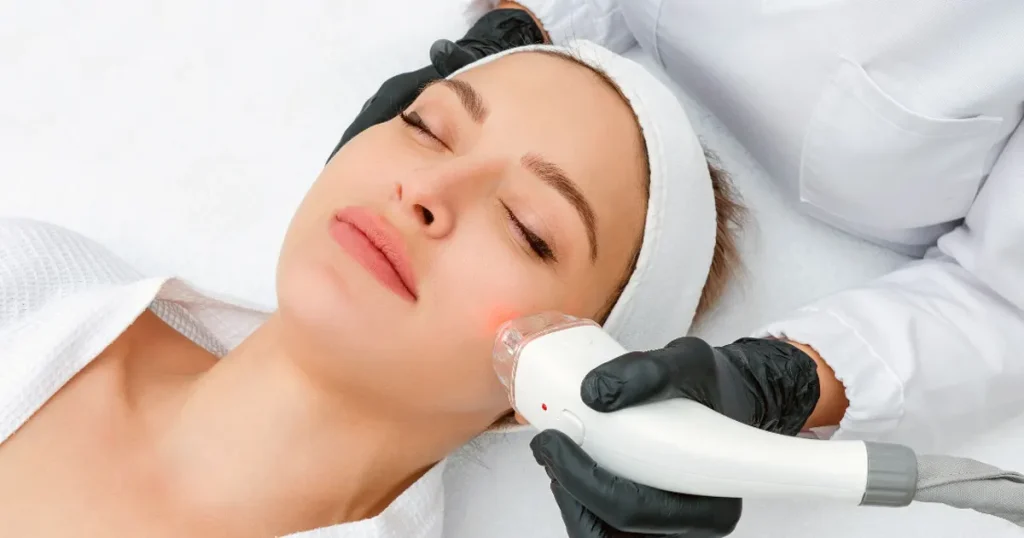

What is ablative laser skin resurfacing? is a frequently asked question among people exploring advanced skin rejuvenation options, especially in urban aesthetic hubs. It is a dermatological procedure designed to improve skin texture, reduce wrinkles, and treat scars by precisely removing outer layers of damaged skin. Many individuals researching modern aesthetic treatments also compare options such as laser skin resurfacing in dubai when considering clinically proven solutions for skin renewal. Dynamic Life Clinic is often associated with providing advanced aesthetic care in this space, reflecting the growing demand for evidence-based skin treatments in the region.
Ablative laser skin resurfacing is a controlled skin treatment that uses concentrated beams of light to remove the outermost layer of the skin while simultaneously heating the underlying layers. This dual action encourages natural collagen production, which plays a key role in skin firmness and elasticity. Unlike non-ablative methods that work beneath the surface without removing skin layers, ablative lasers actively resurface the skin for more noticeable improvements.
The procedure targets damaged skin cells caused by aging, sun exposure, acne scars, or pigmentation irregularities. By removing these layers in a precise manner, the skin is prompted to regenerate healthier tissue over time.
Ablative lasers operate by delivering intense energy that vaporizes thin layers of skin tissue. This controlled injury triggers the body’s natural healing response. As the skin heals, new cells form, and collagen fibers are reorganized, leading to smoother and more even-toned skin.
Key mechanisms include:
The depth of treatment is carefully adjusted based on individual skin concerns, making it suitable for both mild and more advanced skin imperfections.
Different laser technologies are used depending on the patient’s skin condition and desired outcome. The two most commonly used ablative lasers include:
Both options are selected based on skin type, severity of damage, and overall treatment goals.
Ablative laser treatments are widely recognized for delivering visible and long-lasting skin improvements. The procedure is often chosen by individuals looking for comprehensive rejuvenation without undergoing invasive surgery.
Some key benefits include:
These outcomes develop gradually as the skin heals, leading to progressive enhancement over several weeks.
Not everyone is an ideal candidate for ablative laser resurfacing. The treatment is generally recommended for individuals with noticeable skin damage who are seeking more intensive correction.
Suitable candidates often include:
However, individuals with active skin infections, certain skin conditions, or very sensitive skin may require alternative approaches. A professional skin evaluation is essential before proceeding.
The procedure typically begins with a thorough skin assessment to determine the appropriate laser intensity. A topical anesthetic or local anesthesia is often applied to minimize discomfort during the session.
During treatment:
After the procedure, the skin appears red and may feel warm, similar to a strong sunburn. This is part of the natural healing process.
Recovery plays an important role in achieving optimal results from ablative laser resurfacing. The skin undergoes a healing phase where new cells replace the treated layers.
Common aftercare steps include:
Healing time varies depending on the depth of treatment, but noticeable improvements gradually become visible as the skin regenerates.
While ablative laser resurfacing is considered safe when performed correctly, it may involve temporary side effects as part of the healing process.
These can include:
These effects typically subside as the skin heals. Proper post-treatment care significantly reduces the risk of complications and supports smoother recovery.
Ablative laser skin resurfacing remains one of the most effective dermatological procedures for improving skin quality at a deeper level. It works by removing damaged skin layers and stimulating natural regeneration, making it suitable for concerns such as wrinkles, scars, and uneven texture. With advancements in laser technology, treatments are now more controlled and adaptable to different skin types, offering structured improvement through the body’s own healing response.