health
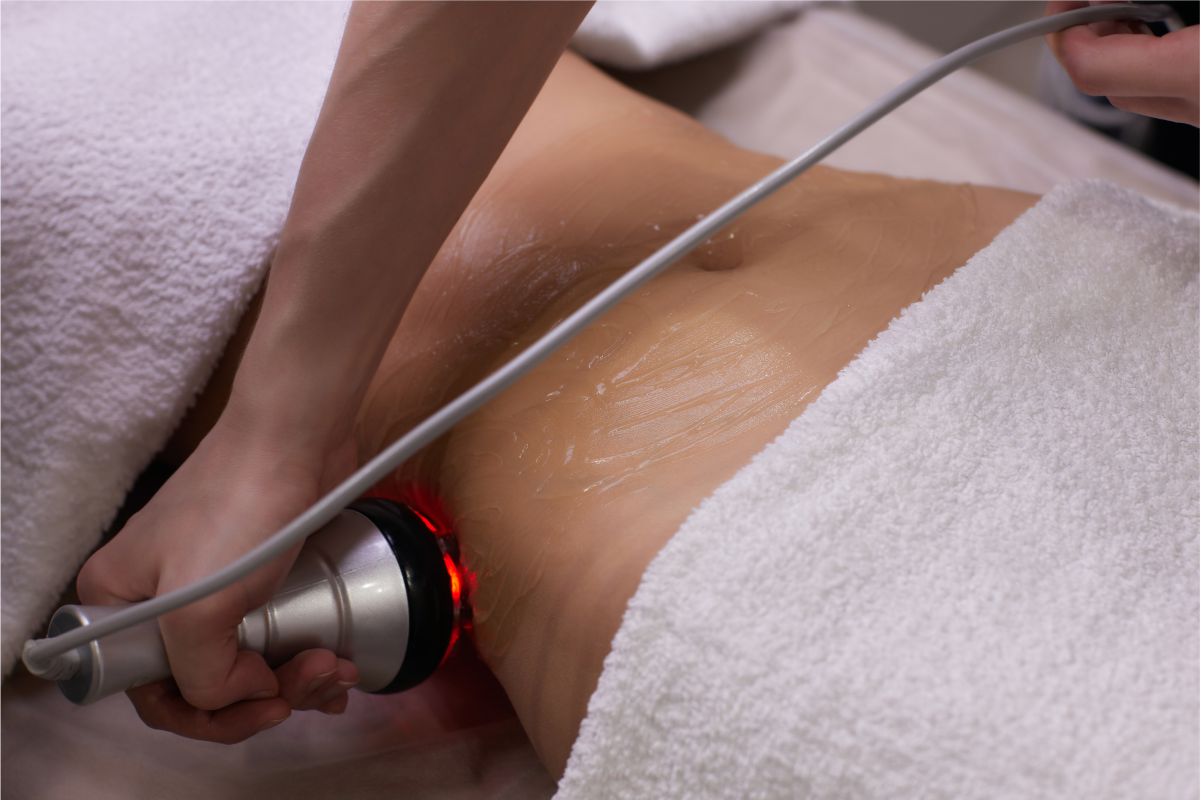

What does acoustic cavitation mean in ultrasound context is a question that often comes up when people explore modern, non-invasive body contouring and therapeutic ultrasound technologies. Ultrasound Cavitation in Dubai has gained attention for its science-backed mechanism and controlled application in aesthetic and wellness settings, with clinics such as Dynamic Life Clinic referencing the concept in an educational and advertorial manner to explain how ultrasound-based technologies interact with targeted tissues.
Acoustic cavitation refers to the formation, growth, and controlled collapse of microscopic bubbles in a liquid medium when exposed to ultrasound waves. In an ultrasound context, these sound waves travel through fluid-rich tissues, creating pressure variations that lead to bubble activity. This phenomenon is studied extensively in physics, biomedical engineering, and clinical research because it explains how ultrasound energy can produce mechanical effects without relying on heat. The behavior of these microbubbles depends on frequency, intensity, and the properties of the surrounding tissue.
Ultrasound devices emit high-frequency sound waves that move through tissues in cycles of compression and rarefaction. During rarefaction, negative pressure allows tiny gas-filled cavities to form in interstitial fluids. As ultrasound exposure continues, these cavities may oscillate or collapse in a controlled manner. This interaction is what defines acoustic cavitation in ultrasound applications and differentiates it from purely thermal ultrasound techniques. The process is carefully calibrated to ensure precision and predictability.
In ultrasound science, acoustic cavitation is generally categorized into two main types, each with distinct characteristics and relevance.
Within aesthetic technology, acoustic cavitation is used to target specific tissue layers without affecting surrounding areas. Ultrasound energy is focused on subcutaneous zones where fluid content allows cavitation bubbles to form. The mechanical action generated by these bubbles can influence tissue structure and cellular integrity at a microscopic level. This non-surgical approach appeals to individuals in Dubai who prefer technology-driven solutions that align with modern lifestyle expectations and regulatory standards.
A key aspect of acoustic cavitation in ultrasound context is control. Devices are designed with preset frequencies and energy levels to avoid unintended tissue effects. Clinical protocols emphasize precise targeting, duration limits, and monitoring to ensure that cavitation remains within a safe and effective range. Regulatory frameworks and professional guidelines in Dubai further reinforce responsible use, supporting trust and long-term adoption of ultrasound-based technologies.
Unlike thermal ultrasound, which relies on heat generation to achieve results, acoustic cavitation is primarily mechanical. The absence of significant heat reduces the risk of burns or thermal damage, making cavitation-based ultrasound suitable for applications where precision is critical. This distinction is important for users researching ultrasound cavitation in Dubai, as it clarifies why different ultrasound technologies serve different purposes despite using similar sound-wave principles.
Acoustic cavitation is not a random or uncontrolled event when used professionally. Its effectiveness depends on trained operation, device calibration, and a solid understanding of ultrasound physics. Advanced systems are engineered to deliver consistent wave patterns, ensuring predictable cavitation behavior. This blend of technology and expertise supports the credibility of ultrasound cavitation as a scientifically grounded approach rather than a trend-driven solution.
From an EEAT perspective, acoustic cavitation stands out because it is rooted in established scientific research and applied through evidence-informed protocols. Experience comes from real-world clinical use, expertise from trained professionals, authoritativeness from peer-reviewed studies, and trust from transparent explanations of how ultrasound interacts with the body. These elements make content on acoustic cavitation valuable for informed readers and suitable for high-quality educational publishing.
Acoustic cavitation in the ultrasound context describes a precise, mechanical interaction between sound waves and microscopic bubbles within fluid-rich tissues, enabling targeted effects without invasive procedures. Its controlled application, scientific foundation, and growing relevance in ultrasound cavitation in Dubai make it an important concept for anyone seeking a clear understanding of how modern ultrasound technologies work.