
health
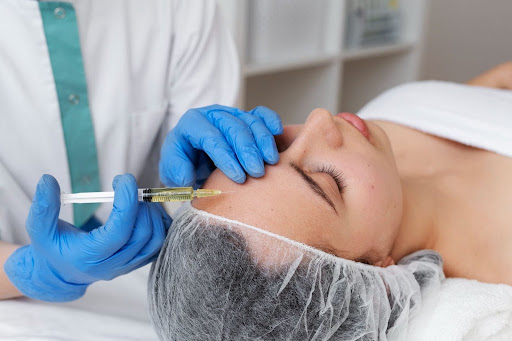

People dealing with both uneven skin tone and frequent breakouts often ask whether skin whitening treatment is appropriate for their skin type. Skin whitening treatment in dubai has become a popular option for individuals looking to reduce pigmentation while improving overall complexion, and facilities such as Dynamic Clinic in Dubai are among the places where these cosmetic concerns are addressed. However, acne-prone skin requires special consideration because certain ingredients or procedures may trigger irritation or worsen existing blemishes.
Acne-prone skin tends to produce excess oil, develop clogged pores, and react more easily to external products. It may also experience inflammation that leaves behind dark spots known as post-inflammatory hyperpigmentation. Many people seek whitening treatments not only for overall brightening but also to fade these stubborn marks.
Before beginning any whitening regimen, it is important to evaluate the skin's current condition. Active breakouts, severe inflammation, or a damaged skin barrier may influence which treatment options are most suitable.
Yes, many skin whitening treatments can be safe for acne-prone skin when selected carefully and used appropriately. Safety largely depends on:
Modern whitening approaches often focus on reducing excess melanin production without causing unnecessary irritation, making them more compatible with oily and blemish-prone skin than older formulations.
Some brightening ingredients offer dual benefits by targeting discoloration while supporting clearer-looking skin.
Niacinamide helps regulate oil production, reduce redness, and improve uneven pigmentation. It is generally well tolerated and can complement acne-focused skincare routines.
Azelaic acid is widely recognized for addressing acne while simultaneously reducing post-acne marks and uneven skin tone. It may also calm inflammation in many individuals.
Vitamin C supports a brighter complexion by helping reduce pigmentation caused by previous breakouts. Stable formulations are often preferred for sensitive or reactive skin.
This ingredient has gained popularity for improving discoloration without relying on aggressive exfoliation, making it an option for some acne-prone individuals.
Not every whitening product is suitable for skin affected by acne. Strong formulations may increase irritation or compromise the skin barrier.
Potential concerns include:
Introducing multiple active ingredients at once can also overwhelm acne-prone skin and increase redness or peeling.
Many people confuse acne scars with pigmentation. Whitening treatments primarily target discoloration rather than textural scars.
They may help improve:
Indented or raised scars generally require different cosmetic approaches that focus on skin texture instead of pigment.
A personalized approach usually delivers better results than using random over-the-counter products. Skin assessment helps determine whether pigmentation, active acne, or both should be addressed first.
Treatment plans may involve:
Starting gradually often allows the skin to adjust without unnecessary irritation.
Even products marketed as gentle can cause unexpected reactions. Performing a patch test before applying a new whitening product to the entire face helps identify potential sensitivity.
This simple precaution is especially valuable for acne-prone individuals whose skin may already be inflamed or compromised.
Exposure to ultraviolet rays can worsen pigmentation and make whitening treatments less effective. Daily sunscreen use is an essential component of maintaining results and preventing new dark spots from developing.
Protective habits include:
Without proper sun protection, pigmentation may return or become more noticeable.
People hoping for faster improvement sometimes make choices that aggravate acne instead.
Avoid these common errors:
Healthy skin balance often produces better long-term cosmetic outcomes than overly aggressive routines.
Monitoring skin reactions helps prevent ongoing irritation. A whitening product may need adjustment if it causes:
Recognizing these signs early allows for timely changes to the skincare routine.
Brightening treatments work best when combined with overall skin-supportive habits rather than relying on a single product.
Helpful practices include:
These measures create an environment where pigmentation treatments can perform more effectively.
Some harsh products may trigger irritation or clogged pores, but carefully selected formulations designed for acne-prone skin can often be incorporated safely into an appropriate skincare routine.
It can improve dark marks left behind after acne heals but is generally less effective for deep textural scars or pitted areas.
Results vary depending on the type of pigmentation, skin condition, and consistency of use. Gradual improvement is more common than immediate changes.
Yes. Maintaining hydration supports the skin barrier and may reduce irritation associated with active brightening ingredients.
Skin whitening treatment can be a suitable option for acne-prone skin when products and procedures are selected with care and matched to the individual's needs. Gentle brightening ingredients, proper skincare habits, and diligent sun protection contribute to safer outcomes while helping reduce uneven pigmentation caused by previous breakouts. A thoughtful, balanced approach offers the best opportunity to achieve a clearer and more even-looking complexion without unnecessarily aggravating acne.