health


Keloids can develop on different skin types, including sensitive and darker skin, making many people concerned about treatment safety. Keloid Treatment in Dubai offers advanced approaches that focus on reducing raised scars while considering individual skin characteristics. Since sensitive and dark skin may react differently to procedures, understanding available options, safety measures, and expected outcomes helps people make informed decisions.
Keloids are raised scar formations that occur when the body produces excessive collagen during the healing process. Unlike normal scars, keloids may continue growing beyond the original injury area and can appear after cuts, burns, acne, piercings, or surgical procedures. They are more common in individuals with darker skin tones, although they can affect anyone.
Sensitive skin requires additional care because it may experience redness, irritation, or prolonged healing after certain treatments. Similarly, darker skin types need carefully selected procedures to reduce the risk of pigmentation changes. Modern scar management techniques consider these factors to create safer and more personalised treatment plans.
For people with sensitive skin, safety depends on selecting suitable procedures and adjusting treatment intensity according to skin response. A proper evaluation helps determine how the skin may react and which approach can provide effective scar improvement with minimal irritation.
Common treatment options may include:
Sensitive skin does not automatically prevent someone from receiving treatment. However, careful monitoring and gradual treatment methods can help maintain skin comfort throughout the process.
Dark skin types often have a higher tendency to develop keloids due to increased collagen activity during wound healing. However, treatment can still be safe when performed with appropriate techniques that consider pigmentation and healing patterns.
Some important factors include:
Advanced scar treatments aim not only to reduce keloid size but also to improve the overall appearance of the affected area while respecting the natural characteristics of darker skin.
When suitable techniques are selected, keloid management can provide several benefits for people with sensitive or dark skin. Treatment goals are usually focused on controlling scar growth, improving texture, and reducing discomfort.
Benefits may include:
Choosing the right approach is important because every person’s skin responds differently. Factors such as scar location, age of the keloid, skin sensitivity, and previous treatment history can influence results. Clinics with experience in scar management, such as Dynamic life clinic, often consider these details when creating personalised care strategies.
Several elements can affect how safely and effectively keloid procedures work for different skin types. A detailed skin assessment helps identify possible risks and allows adjustments before beginning treatment.
Important considerations include:
Proper aftercare may involve keeping the treated area protected, avoiding unnecessary irritation, and following professional guidance to support healthy healing.
Recent advancements in dermatology have improved the safety of scar treatments for various skin types. Many procedures now focus on controlling excessive collagen production while reducing unwanted effects on surrounding skin.
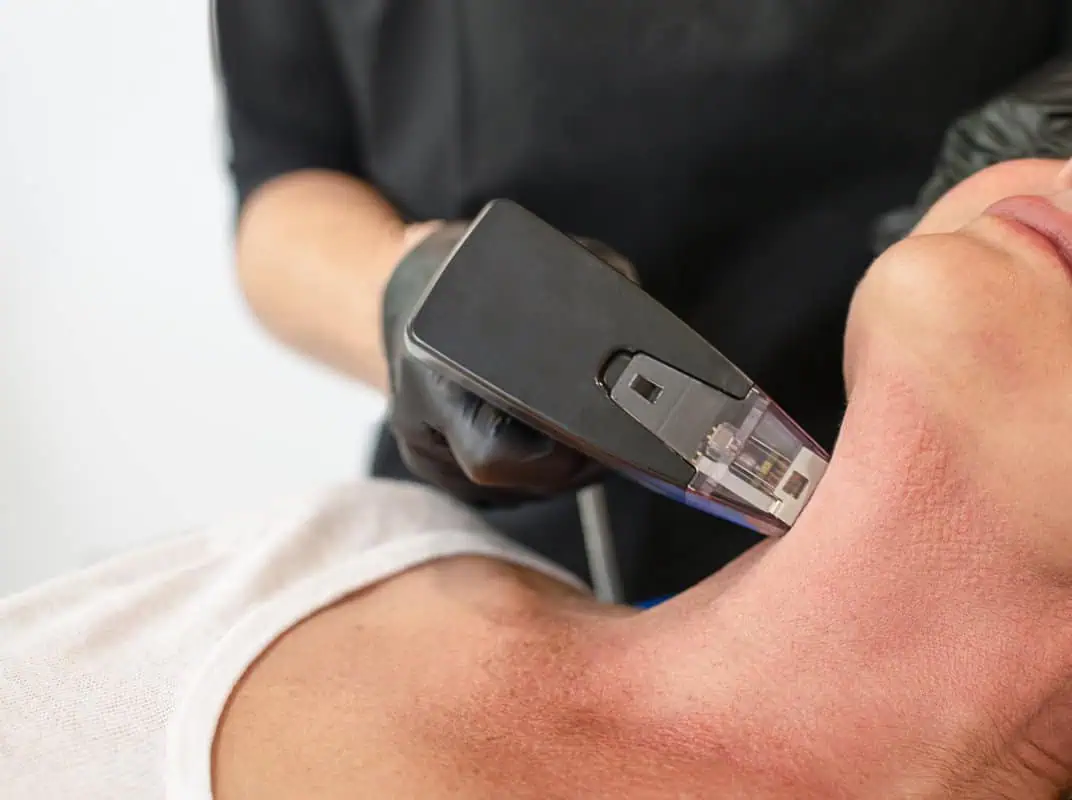
Laser technology, injectable therapies, and combined treatment plans can be adjusted according to skin needs. For darker skin, professionals often focus on reducing inflammation because excessive irritation may increase the chance of pigmentation concerns. For sensitive skin, controlled treatment settings and proper preparation can help improve comfort.
Additionally, early intervention can make treatment more manageable because newly formed keloids may respond better compared with long-standing scars. Regular evaluations allow adjustments based on how the skin responds over time.
The treatment journey usually begins with an assessment of the keloid’s size, location, texture, and previous changes. A suitable plan is then selected based on the individual’s skin type and scar condition.
During the process, patients may experience gradual improvements rather than immediate changes. Some keloids require repeated sessions because scar tissue develops differently from normal skin. Consistent care and realistic expectations are important for achieving noticeable improvement.
People with sensitive or dark skin should also discuss any previous reactions to skincare products or procedures. This information helps create a safer approach and reduces unnecessary complications.
Sensitive and dark skin types can safely receive scar management when appropriate methods are selected and skin-specific concerns are considered. With careful planning, modern techniques can help control excessive scar formation, improve texture, and support healthier-looking skin. Choosing personalised Keloid Treatment can help address raised scars while maintaining attention to skin sensitivity, pigmentation, and long-term results.