health

Is cellulite treatment recommended during pregnancy? This is a common concern among women who notice changes in their skin texture during pregnancy and want to understand what is safe and what should be avoided. Many individuals searching for cellulite treatment dubai often look for quick solutions, but pregnancy requires a very different approach focused on safety and long-term skin health rather than corrective procedures.
In Dubai, clinics such as Dynamic Life Clinic often guide patients with awareness-based consultations during this phase, helping them understand how the body naturally changes rather than rushing into aesthetic treatments.
Cellulite is a completely normal skin condition that becomes more visible when fat deposits push through connective tissue beneath the skin. During pregnancy, hormonal shifts, fluid retention, and weight changes can make cellulite appear more noticeable, especially around the thighs, hips, and abdomen.
The increase in estrogen and progesterone influences fat storage and blood circulation, which may contribute to skin dimpling. At the same time, the body naturally retains more water to support fetal development, further enhancing the appearance of uneven skin texture.
It is important to understand that cellulite during pregnancy is not a medical concern but rather a cosmetic and structural skin change influenced by internal physiological factors.
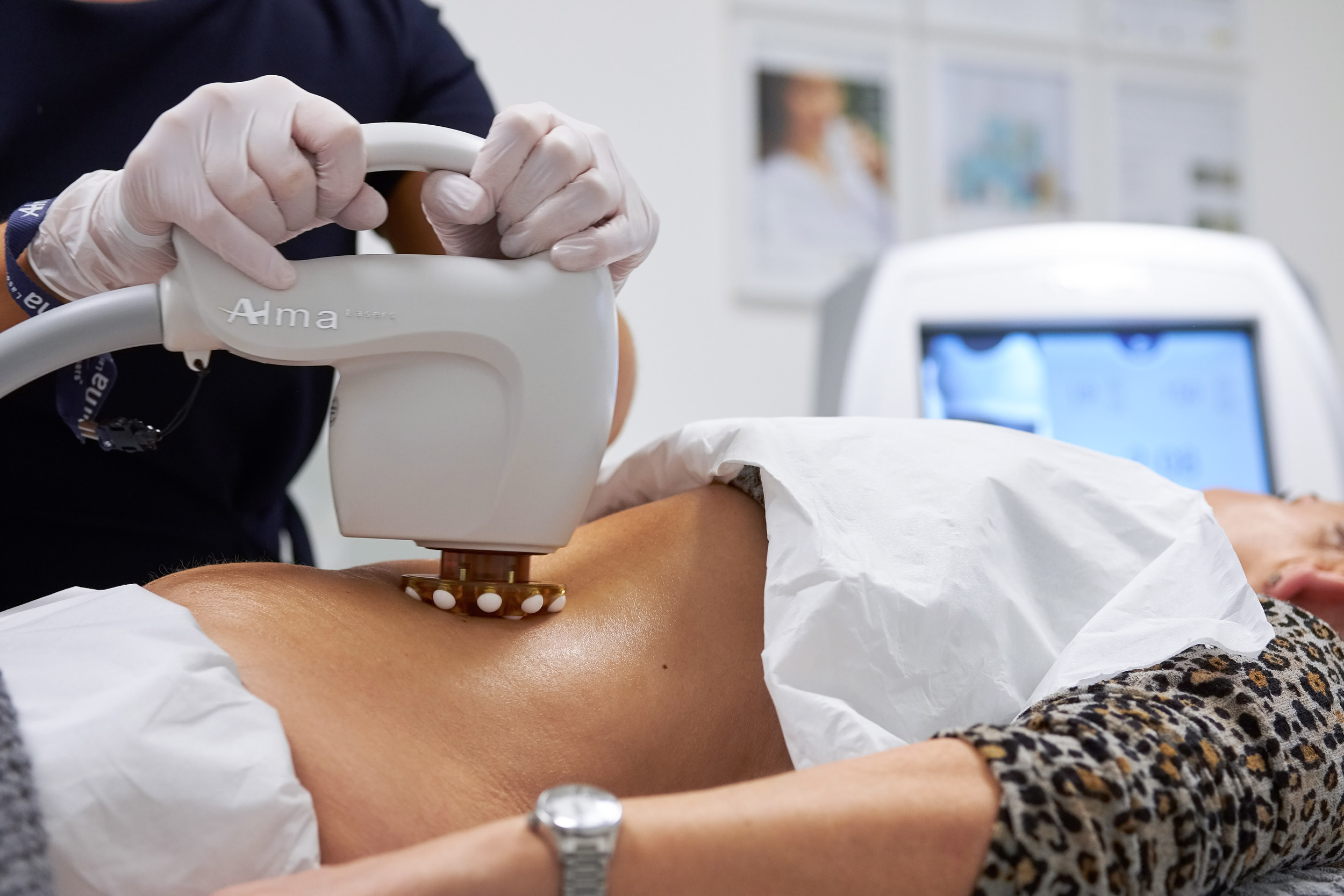
Most cellulite treatment procedures are not recommended during pregnancy due to the lack of sufficient safety research. Treatments such as laser therapy, radiofrequency, or invasive body contouring techniques may involve energy-based devices or active ingredients that are not considered safe for expecting mothers.
The primary concern is not only direct harm but also the absence of clinical data confirming safety for fetal development. Because of this uncertainty, healthcare professionals typically advise postponing aesthetic procedures until after delivery.
Even topical creams marketed for cellulite reduction may contain caffeine, retinoids, or other active compounds that are not recommended during pregnancy. This makes professional guidance essential before using any cosmetic product.
There are several reasons why cellulite reduction procedures are generally avoided during pregnancy:
In addition, pregnancy is a temporary phase, and most practitioners prefer to avoid interventions that could interfere with natural bodily processes.
The body undergoes significant transformation during pregnancy, and skin texture is no exception. Increased blood flow, stretching skin, and fluid retention can temporarily alter the appearance of cellulite.
For many women, cellulite may appear more pronounced in the third trimester but gradually improves after childbirth when hormones stabilize and fluid levels normalize.
It is also common for the skin’s elasticity to change temporarily. The connective tissue may stretch to accommodate growth, which can make underlying fat deposits more visible. These changes are usually reversible with time and proper postnatal care.
While active cellulite treatments are not recommended, there are safe ways to support skin health during pregnancy. These approaches focus on circulation, hydration, and gentle care rather than correction.
Helpful practices include:
These habits do not remove cellulite but may help maintain smoother skin appearance and overall wellness during pregnancy.
Massage is sometimes considered, but only gentle prenatal massage performed by trained professionals is recommended. Deep tissue or aggressive techniques targeting cellulite should be avoided.
After childbirth and once the body has fully recovered, cellulite treatments can be explored more safely. At this stage, hormonal levels stabilize, and the skin becomes more responsive to aesthetic procedures.
Common post-pregnancy options may include non-invasive therapies that aim to improve skin texture and stimulate collagen production. These are typically recommended only after medical clearance and once breastfeeding considerations are addressed.
In Dubai’s aesthetic care environment, individuals often explore personalized plans that combine lifestyle guidance with modern skin treatments to gradually improve skin firmness and texture.
It is important to recognize that cellulite during pregnancy is part of a broader natural transformation. Many women experience visible changes in their body, and these shifts are influenced by biological functions that support both mother and baby.
Body image concerns during this time are common, but focusing on health rather than appearance helps maintain emotional well-being. Understanding that cellulite is temporary in many cases can reduce unnecessary pressure to seek immediate treatment.
Supportive environments, proper education, and realistic expectations play an important role in how women perceive these changes.
Cellulite treatment during pregnancy is generally not recommended due to safety considerations and the natural changes occurring within the body. While it may be tempting to address skin texture concerns immediately, pregnancy is a phase where caution and non-intervention are prioritized.
Instead of active cosmetic procedures, focusing on hydration, nutrition, gentle movement, and skin care helps support overall wellness. After pregnancy, more targeted cellulite treatment options can be considered when the body has stabilized and professional evaluation confirms suitability.
Understanding these factors allows for informed decisions that prioritize both maternal health and long-term skin care outcomes.