health
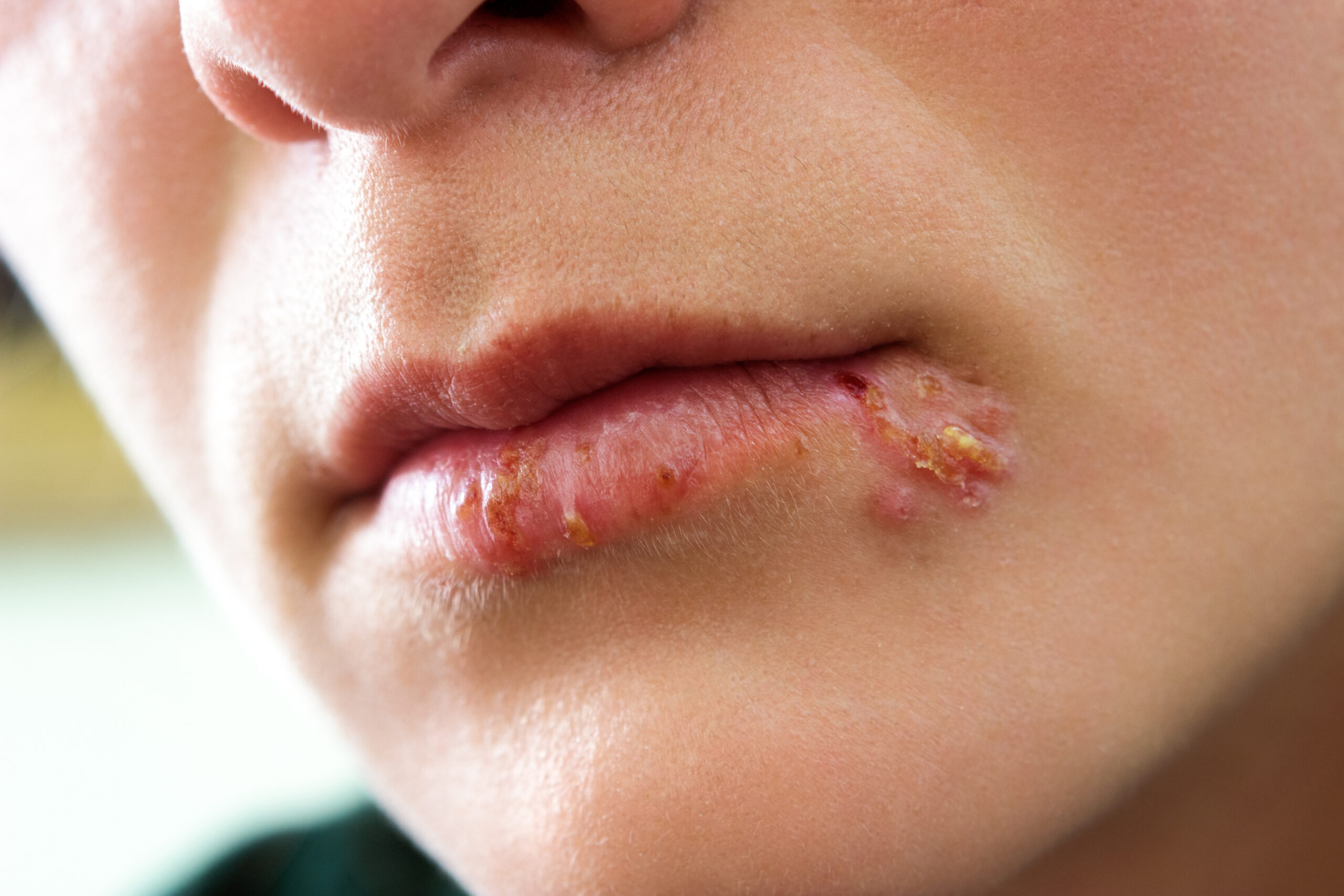

Understanding STDs treatment options is crucial for maintaining sexual health and preventing long-term complications. For residents seeking STDs in Dubai, awareness of available treatments ensures timely intervention and safer practices. Clinics like Dynamic Life Clinic offer comprehensive testing and personalized care plans, supporting patients through every stage of diagnosis and treatment.
Sexually transmitted diseases (STDs) are infections passed primarily through sexual contact. Common STDs include chlamydia, gonorrhea, syphilis, herpes, and HIV. Early detection is vital because untreated infections can lead to serious health problems such as infertility, organ damage, or chronic pain. Understanding the type of infection guides healthcare providers in recommending the most effective treatment, minimizing complications.
Accurate diagnosis is the first step in any STD treatment plan. Healthcare providers in Dubai use a variety of diagnostic tools depending on the suspected infection:
Regular screening ensures early detection, even in asymptomatic cases, which is common for many STDs.
Treatment varies depending on whether the infection is bacterial, viral, or parasitic. Knowing the category of the STD is essential for choosing the correct treatment strategy.
Bacterial infections such as chlamydia, gonorrhea, and syphilis are typically treated with antibiotics. The treatment plan may involve:
Adherence to the prescribed medication is crucial, as incomplete treatment can lead to resistance or recurrence.
Viral infections, including HIV, herpes, and hepatitis B, cannot be cured completely, but their symptoms can be managed effectively:
Some STDs, like trichomoniasis, are caused by parasites. Treatment usually involves:
Follow-up care is an essential part of STD management. It ensures that the infection has been successfully treated and reduces the chance of complications or reinfection. Follow-up visits may include:
Consistent follow-up strengthens long-term health outcomes and builds confidence in managing sexual wellness.
Alongside medical interventions, lifestyle adjustments play a key role in supporting recovery from STDs:
These measures complement medical treatment and reduce the likelihood of recurring infections.
Preventing STDs is equally important as treatment. Key preventive strategies include:
A proactive approach ensures both individuals and their partners remain healthy and reduces the spread of infections within the community.
Understanding STDs treatment options involves recognizing the type of infection, seeking timely diagnosis, and adhering to prescribed therapies. Residents looking for STDs in Dubai can benefit from professional guidance and follow-up care, ensuring effective treatment and long-term sexual health. Combining medical treatment with preventive practices and lifestyle adjustments strengthens outcomes and promotes awareness, making informed decisions easier for everyone.