health
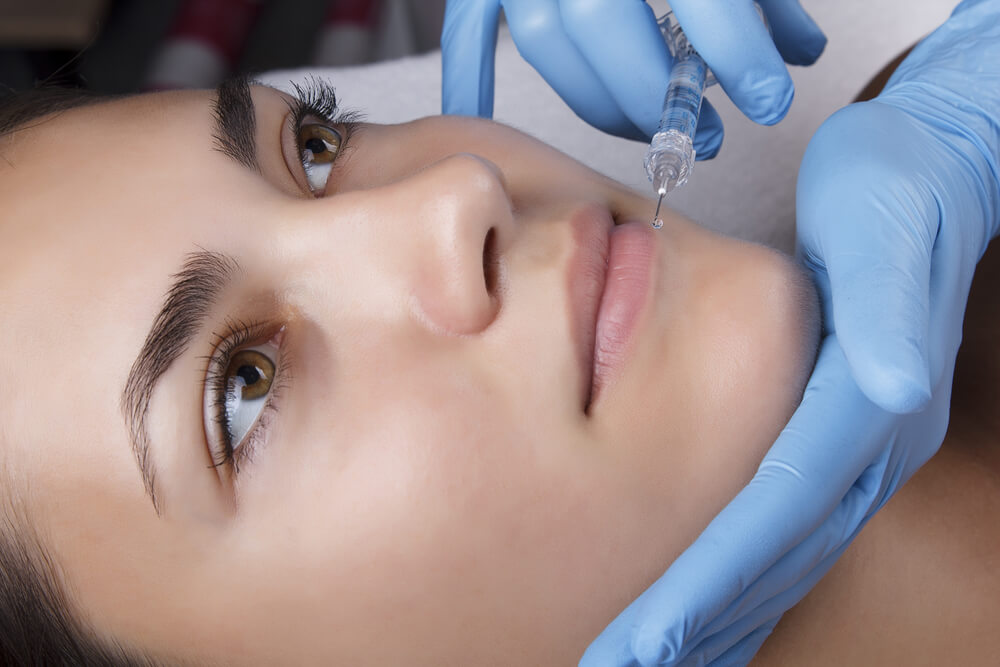

How Often Can Hyaluronic Acid Injections Be Given? is one of the most frequently searched questions among individuals considering skin rejuvenation and facial enhancement procedures, especially in aesthetic-focused regions like Dubai. Hyaluronic Acid Injections in Dubai are widely chosen for their ability to restore hydration, improve facial volume, and support natural-looking rejuvenation without altering facial expression. Clinics such as Dynamic life Clinic are often associated with such treatments due to growing demand for minimally invasive aesthetic solutions in the region
Hyaluronic acid is a naturally occurring substance found in the skin, joints, and connective tissues. Its primary role is to retain moisture and support elasticity, which is why it has become a key ingredient in modern aesthetic injectables. When used in injectable form, it helps replenish lost volume, smooth fine lines, and enhance facial contours without creating an artificial appearance
In aesthetic medicine, hyaluronic acid is considered biocompatible, meaning it integrates well with the body and gradually breaks down over time. This temporary nature is one of the main reasons treatment frequency becomes an important consideration for patients seeking long-term results
The effects are visible shortly after injection, but they are not permanent, which makes maintenance planning essential for consistent outcomes.
The longevity of hyaluronic acid fillers depends on several factors, but most formulations last between six months and eighteen months. The variation is influenced by product type, injection area, and individual metabolism
Areas with high movement such as the lips tend to metabolize filler faster, while less dynamic areas like the cheeks often retain results for a longer duration. This difference plays a major role in determining how often treatments may be repeated
Key factors influencing duration include:
Because results gradually fade rather than disappear suddenly, patients usually plan maintenance sessions based on subtle volume loss rather than complete correction reversal
In most cases, hyaluronic acid injections can be repeated every six to twelve months, depending on the treatment area and aesthetic goals. There is no strict universal schedule, as treatment is tailored individually based on how quickly the filler metabolizes in each person
Some patients prefer touch-up sessions once minor volume reduction becomes noticeable, while others wait until a more defined change appears. The flexibility of scheduling is one of the reasons hyaluronic acid remains a preferred option in non-surgical aesthetics
General timing patterns often include:
Rather than frequent repetition, the goal is usually maintenance at the point where natural facial balance begins to change subtly
Lifestyle and environmental conditions in Dubai can also play a role in how often hyaluronic acid injections may be needed. High sun exposure, warm climate conditions, and active outdoor routines may contribute to faster breakdown of dermal fillers in some individuals
Skin quality and hydration levels also impact longevity. Well-hydrated and well-maintained skin tends to support longer-lasting results compared to dehydrated or heavily sun-exposed skin
Additional influencing factors include:
These variables highlight why treatment schedules are rarely identical between individuals, even when the same product is used
Maintenance treatments are typically simpler than the initial procedure because they focus on refinement rather than full correction. The practitioner assesses how the filler has integrated with facial tissues and identifies areas where volume has diminished
During follow-up sessions, adjustments may be minimal, aiming to preserve facial symmetry and prevent overcorrection. Small amounts of product are often used to restore balance rather than rebuild structure from scratch
Common aspects of maintenance visits include:
Because hyaluronic acid is reversible in medical settings if needed, adjustments can be made safely to refine outcomes over time
Hyaluronic acid injections are widely regarded as safe when administered correctly and at appropriate intervals. The substance is naturally found in the body, which reduces the risk of long-term accumulation or toxicity
However, spacing treatments appropriately remains important to avoid overfilling or unnatural results. Repeated injections should always be based on clinical assessment rather than fixed timelines
Important safety considerations include:
When properly managed, repeated sessions support gradual enhancement rather than abrupt change, which is considered a key principle of modern aesthetic medicine
No single schedule applies universally for hyaluronic acid injections, as facial structure, aging patterns, and metabolism vary significantly. Personalized treatment planning allows for more natural-looking outcomes and reduces the likelihood of overtreatment
A structured approach typically involves assessing facial volume changes over time rather than adhering to rigid timelines. This ensures that injections are given only when there is a visible or structural need rather than as routine repetition
Patients in Dubai often prefer subtle, progressive enhancements that align with long-term aesthetic balance rather than immediate transformation
Hyaluronic acid injections follow a flexible treatment cycle that depends on product longevity, facial area, and individual response. The timing between sessions is generally guided by gradual changes in volume and skin quality rather than fixed intervals, making personalized planning essential for natural results over time