health
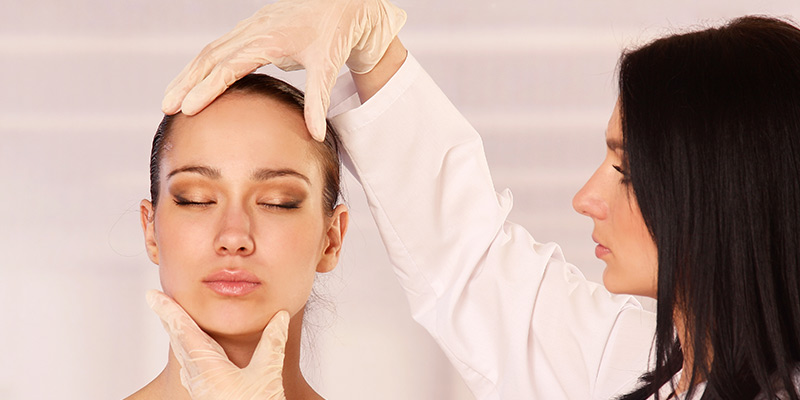

How is skin whitening treatment tailored to skin types? is a common question among individuals seeking clearer, more even-toned skin in aesthetic care. In modern dermatology practices, personalization plays a central role in achieving safe and natural-looking results, especially for people living in diverse climates like Dubai. Dynamic Life Clinic is among the well-known aesthetic centers where customized skin solutions are commonly discussed with patients. In cities like the UAE, advanced options for skin whitening treatment dubai are designed carefully to match different skin tones and conditions rather than following a one-size-fits-all approach.
Skin type assessment is the foundation of any effective skin brightening plan. Dermatologists typically evaluate how the skin behaves in terms of oil production, sensitivity, and reaction to environmental factors. This helps determine which ingredients or procedures will be most suitable.
In general, skin is categorized into:
Each type responds differently to brightening agents, which is why customization is essential to avoid irritation and ensure visible improvement.
Another important framework used in tailoring treatments is the Fitzpatrick scale, which classifies skin based on its response to sun exposure. This classification is particularly relevant in regions like Dubai, where sun intensity is high year-round.
The Fitzpatrick scale ranges from:
This classification helps professionals select safer methods and avoid complications such as hyperpigmentation or uneven skin lightening.
Personalization is not limited to selecting products; it extends to procedure intensity, frequency, and combination therapies. Skin whitening approaches are adjusted based on how resilient or reactive the skin is.
Customization usually includes:
By tailoring each step, practitioners aim to enhance skin radiance while maintaining skin health and barrier protection.
In Dubai’s aesthetic industry, several non-invasive and minimally invasive techniques are commonly used to improve skin tone and reduce pigmentation. These methods are chosen based on individual skin needs rather than a universal protocol.
Popular approaches include:
Each method works differently, and combining them strategically can lead to more balanced and natural results. The selection depends heavily on skin sensitivity and desired outcomes.
Safety remains a priority when tailoring any cosmetic skin treatment. Since skin whitening procedures directly affect pigmentation cells, improper use can lead to irritation or uneven tone, particularly in sensitive or darker skin types.
Key safety considerations include:
These precautions help maintain skin integrity while improving complexion gradually and safely.
Aftercare plays a significant role in maintaining results achieved through skin whitening treatments. Regardless of skin type, proper skincare habits can significantly extend the benefits of professional procedures.
Effective aftercare practices include:
Maintenance treatments may also be recommended depending on how the skin responds over time, ensuring the complexion remains even and healthy.
Skin whitening treatment is not a uniform process but a carefully adjusted approach that considers skin type, sensitivity, and environmental exposure. In a diverse and sun-intensive region like Dubai, personalization becomes even more important to achieve balanced and natural-looking results. With advanced methods and thoughtful customization, individuals can experience improvements in skin tone while maintaining overall skin health.