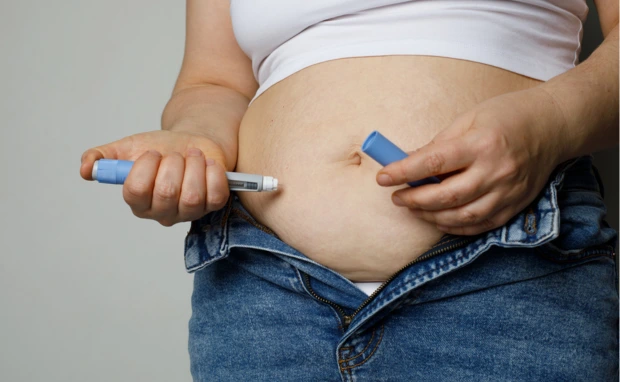
Monitoring the effectiveness of weight loss injections is essential for achieving safe and sustainable results. Patients in Dubai often explore Weight Loss Injections In Dubai to enhance their weight management journey, and clinics like Dynamic Life Clinics provide guidance on tracking outcomes effectively. Understanding how your body responds to these treatments helps adjust protocols, ensures progress, and maintains overall well-being.
Key Indicators of Weight Loss Progress
Measuring response to weight loss injections involves more than just looking at the scale. Health professionals recommend observing multiple indicators to get a holistic view of progress:
- Body Weight Reduction – Regular monitoring of body weight helps track the overall effectiveness of the injections over time.
- Body Mass Index (BMI) Changes – BMI calculations provide a standardized measure of body composition relative to height and weight.
- Waist and Hip Measurements – Tracking changes in waist and hip circumference can highlight fat loss in targeted areas.
- Clothing Fit – Subtle changes in how clothing fits can indicate shifts in body composition even before the scale reflects significant changes.

Laboratory Assessments
In addition to physical measurements, laboratory tests offer insights into metabolic and hormonal responses:
- Blood Glucose Levels – Weight loss injections often impact insulin sensitivity, so periodic monitoring helps assess metabolic improvements.
- Lipid Profile – Cholesterol and triglyceride levels may improve as body fat decreases, serving as an indirect measure of treatment success.
- Hormonal Analysis – Hormones that regulate appetite and metabolism, such as leptin and ghrelin, may shift during therapy and indicate the body’s response.
Tracking Appetite and Energy Levels
Behavioral changes are another critical way to measure response:
- Reduced Appetite – Many injections work by influencing hunger-regulating hormones, so patients often notice a decreased desire to eat between meals.
- Energy and Physical Performance – Increased energy levels and stamina during workouts can indicate that the injections are supporting healthy metabolism.
- Mood and Motivation – Positive changes in mood and motivation to maintain lifestyle habits reflect a favorable physiological response.
Regular Progress Documentation
Consistency in recording results ensures accurate evaluation:
- Daily or Weekly Logs – Keeping a record of weight, measurements, and subjective observations helps identify trends.
- Photographic Comparisons – Monthly photos provide visual evidence of body changes that numbers alone may not capture.
- Lifestyle Notes – Recording diet, exercise, and sleep patterns alongside injection schedules helps contextualize results.
Understanding Individual Variability
Responses to weight loss injections vary between individuals due to several factors:
- Metabolic Rate Differences – People with faster metabolisms may notice quicker results, while slower metabolisms require more time.
- Adherence to Lifestyle Changes – Success depends not only on injections but also on maintaining healthy eating and exercise routines.
- Underlying Health Conditions – Conditions like thyroid disorders or insulin resistance can influence how effectively the body responds.
Technology-Assisted Tracking
Modern tools make monitoring progress more precise:
- Smart Scales – Devices that measure weight, body fat percentage, and muscle mass offer a detailed view of changes.
- Mobile Apps – Many apps allow patients to log injections, meals, and workouts, creating a comprehensive progress record.
- Wearable Devices – Fitness trackers provide continuous insights into activity levels, calories burned, and sleep patterns, which contribute to overall evaluation.
Red Flags and When to Reassess
Not every patient responds as expected, and monitoring helps identify potential issues early:
- Plateauing Weight Loss – A stall may indicate the need for dosage adjustments or complementary lifestyle interventions.
- Unexpected Side Effects – Monitoring for nausea, dizziness, or other adverse reactions is crucial for safety.
- Minimal Behavioral Changes – If appetite or energy levels remain unchanged, it could signal limited effectiveness of the current protocol.
Personalized Review Sessions
Consultation with professionals enhances accurate assessment:
- Regular Check-Ins – Scheduled reviews with clinicians ensure the plan aligns with health goals.
- Data Interpretation – Professionals can analyze logs, lab results, and lifestyle factors to determine treatment efficacy.
- Customized Adjustments – Based on the review, injection schedules, dosages, or complementary lifestyle strategies may be modified.
Long-Term Maintenance Indicators
Sustainable results are measured not only during the injection period but also afterward:
- Weight Stability – Maintaining a healthy weight after injections indicates that lifestyle habits have been successfully incorporated.
- Continued Metabolic Improvements – Persistently healthy blood markers suggest lasting positive effects.
- Behavioral Integration – Consistent adherence to balanced nutrition and physical activity shows a successful long-term response.
Conclusion
Measuring response to weight loss injections requires a multi-dimensional approach that goes beyond the scale. By monitoring physical changes, lab results, behavioral shifts, and using technology-assisted tools, patients can obtain a comprehensive understanding of their progress. Personalized reviews and continuous documentation enhance safety and effectiveness, making weight loss injections a valuable component of a structured weight management strategy in Dubai. Clinics like Dynamic Life Clinics provide expert guidance to ensure these assessments are accurate and meaningful, supporting patients in achieving sustainable health goals.