health
.png?width=768&height=500&name=image%20(4).png)

Anxiety can play a significant role in the effectiveness of vaginismus treatment, making it a key factor to address during therapy. Women seeking solutions often wonder, “How does anxiety affect vaginismus intercourse treatment?” Addressing this question is essential for improving outcomes and ensuring comfort. For those in the UAE, clinics offering Vaginismus Intercourse Treatment in Dubai, like Dynamic Life Clinic, focus not only on physical exercises but also on psychological support to tackle anxiety-related barriers. Understanding the connection between mental health and vaginismus can make treatment more successful.
Vaginismus is a condition where involuntary muscle spasms in the pelvic floor prevent comfortable penetration. While physical factors are important, anxiety frequently exacerbates the condition. Women may develop anticipatory fear, which triggers muscular tension and makes intercourse painful or impossible. Anxiety can arise from:
Addressing the psychological aspect is as critical as physical therapy because ongoing anxiety can slow down or even stall progress in treatment sessions.
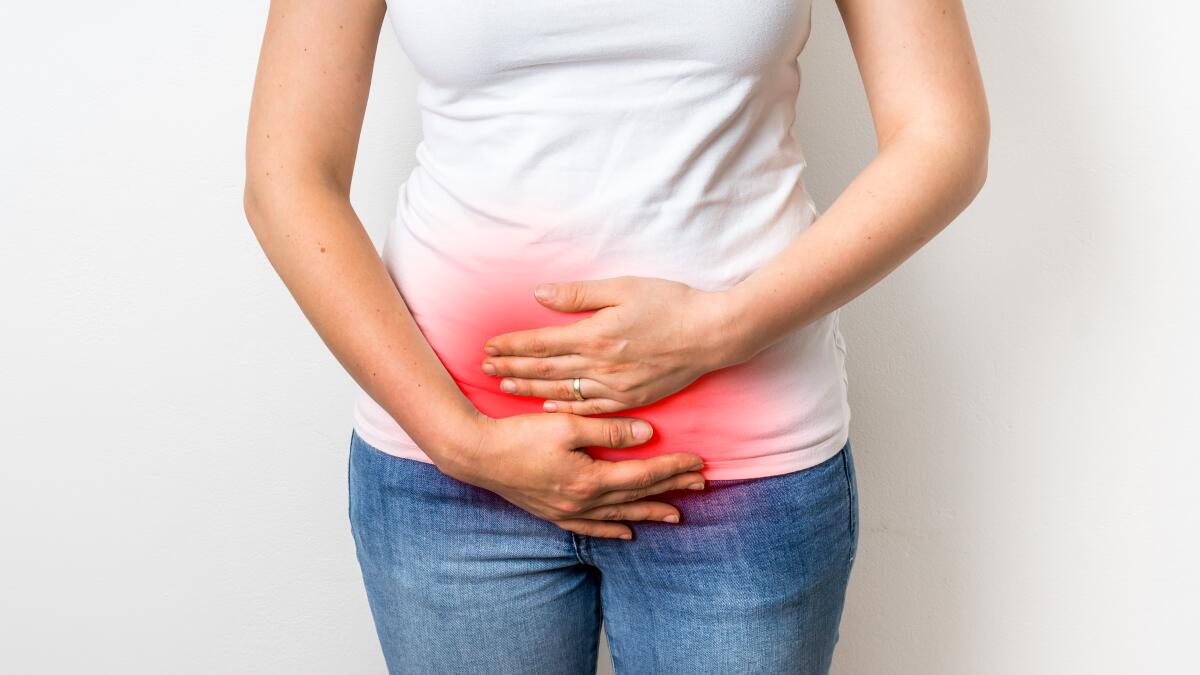
During vaginismus treatment, exercises such as pelvic floor relaxation, vaginal dilators, or guided penetration are often used. Anxiety can interfere with these methods by:
Patients experiencing high anxiety may require additional psychological support or a gradual, step-by-step approach to ensure comfort and progress.
Integrating anxiety management into treatment can improve outcomes and make the process less stressful. Some effective strategies include:
Clinics offering Vaginismus Intercourse Treatment in Dubai often combine these methods with physical exercises to provide a holistic approach.
Anxiety can be intensified if partners are unaware of the condition’s emotional impact. Supportive partners can contribute to successful treatment by:
Couples-focused therapy can also be integrated to address relational dynamics that contribute to anxiety, creating a safer and more supportive environment.
Understanding specific triggers allows for more targeted interventions. Common anxiety triggers in vaginismus treatment include:
Recognizing these triggers early helps clinicians tailor exercises and mental health strategies to each patient’s needs, improving engagement and reducing setbacks.
A proven approach in vaginismus therapy is gradual exposure. This method allows the patient to slowly become accustomed to penetration in a controlled, anxiety-free manner. Techniques include:
Gradual exposure works best when combined with anxiety-reduction strategies to prevent involuntary muscle contraction and negative associations.
Beyond therapy sessions, adopting lifestyle practices can complement treatment and help reduce anxiety:
These practices enhance overall well-being, making it easier for women to engage fully in their vaginismus treatment.
While self-help techniques can be supportive, professional guidance is crucial. Experienced clinics offering Vaginismus Intercourse Treatment in Dubai understand the interplay between anxiety and physical symptoms, providing structured programs to address both. Therapists work with patients to:
Professional guidance ensures that treatment is both effective and emotionally supportive.
Anxiety significantly affects the outcomes of vaginismus intercourse treatment. Addressing mental health alongside physical therapy is essential for improving comfort, reducing pain, and achieving successful results. Combining relaxation techniques, partner support, gradual exposure, and professional guidance creates a comprehensive treatment plan. Clinics specializing in Vaginismus Intercourse Treatment in Dubai, such as Dynamic Life Clinic, provide the integrated approach needed to overcome both the psychological and physical challenges of this condition.