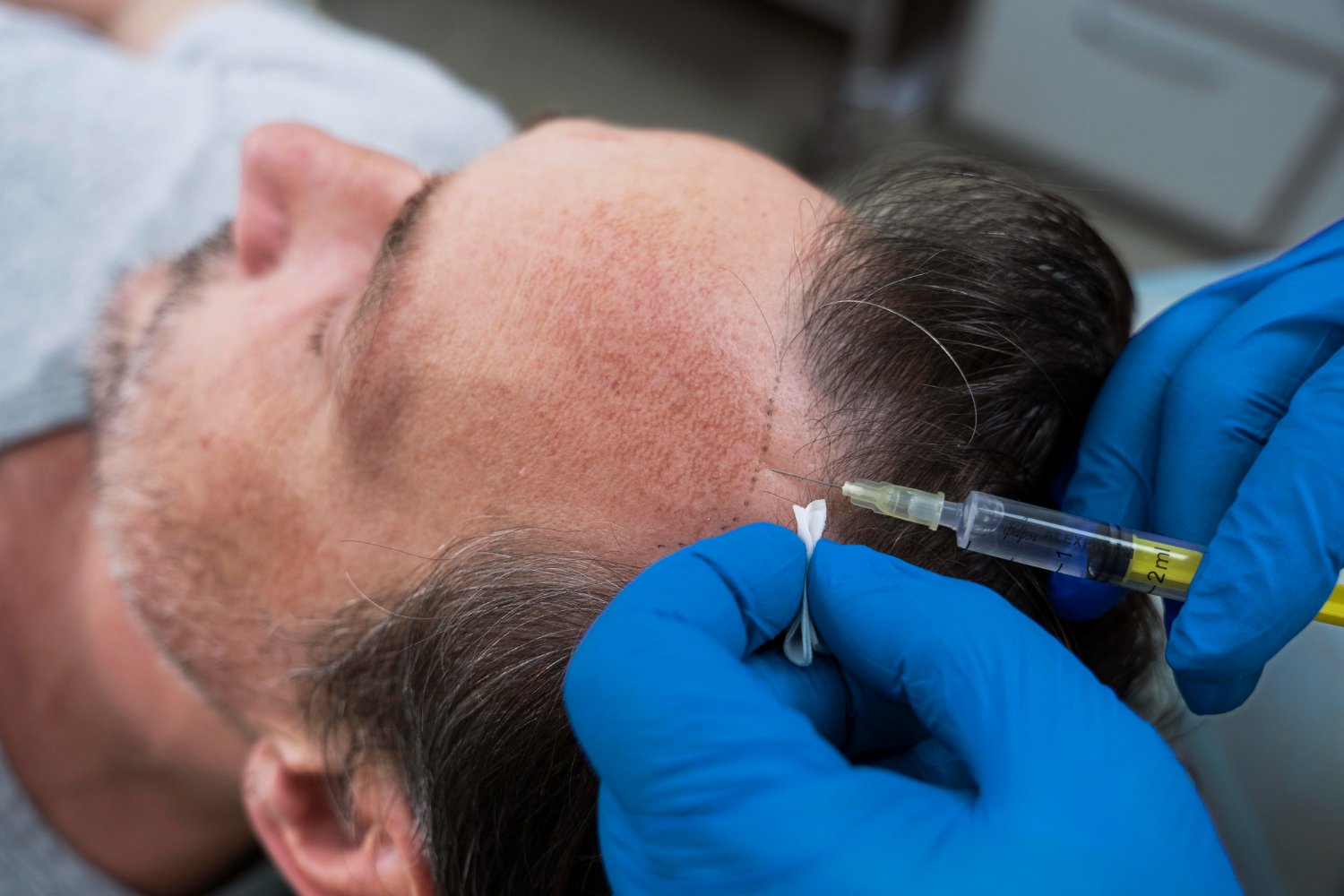
If you are considering hair restoration procedures, you might wonder, does a hair transplant clinic require a referral? This question is common among residents seeking professional hair care solutions in the UAE. Visiting a Hair Transplant Clinic in Sharjah offers access to advanced hair restoration treatments, and clinics like Dynamic Life Clinics provide comprehensive consultations to guide patients through the process.
Understanding whether a referral is necessary can help streamline your journey, save time, and ensure you receive the right medical attention for your hair concerns. In this article, we break down what you need to know about referrals and visiting hair transplant clinics.
Understanding the Role of Referrals in Hair Transplant Clinics
A referral is typically a recommendation from a general practitioner or dermatologist directing you to a specialized clinic. In the context of hair restoration:
- Referrals are generally not mandatory for most private hair transplant clinics.
- Some clinics may request a medical history or prior consultation to ensure the treatment is suitable.
- Referrals may be required if your insurance plan covers certain procedures or mandates specialist approval.
Most patients can directly book consultations at a Hair Transplant Clinic in Sharjah without needing prior referrals, simplifying access to expert care.
When a Referral Might Be Helpful
Even if a referral is not required, having one can be beneficial in certain situations:
- Pre-existing medical conditions: If you have chronic illnesses or scalp disorders, a referral from a physician ensures your safety during the procedure.
- Complex hair loss cases: Doctors can provide documentation on the type of hair loss, making it easier for the clinic to customize a treatment plan.
- Insurance or health coverage: Some insurance policies may require a referral to approve coverage for medical procedures.
A referral is not compulsory but can provide added peace of mind and streamline the consultation process.
Booking a Consultation Without a Referral
Many clinics in Sharjah and Dubai allow patients to schedule appointments directly. Steps include:
- Research clinics: Look for reputable centers with verified reviews and treatment options.
- Contact the clinic: Most clinics offer phone, email, or online booking.
- Provide medical information: Sharing your medical history helps the clinic assess your eligibility and treatment plan.
- Initial consultation: The clinic evaluates hair density, scalp health, and recommends appropriate procedures.
Direct bookings ensure faster access to consultations and allow patients to start the process without delays.
Preparing for Your Hair Transplant Consultation
Whether you have a referral or not, proper preparation ensures the consultation is productive:
- List medications: Include all prescription and over-the-counter drugs, supplements, and vitamins.
- Document hair loss history: Note the duration, severity, and pattern of hair loss.
- Compile prior treatments: Include shampoos, therapies, or previous procedures.
- Set goals: Clarify what results you hope to achieve for a realistic discussion with the clinic specialist.
Being prepared helps the clinic develop a tailored treatment plan suited to your needs.
Key Questions to Ask During Consultation
A consultation is the best opportunity to clarify doubts and understand the procedure:
- What types of hair transplant techniques are available?
- Am I a suitable candidate for the procedure?
- What are the expected recovery times and aftercare requirements?
- Are there non-surgical alternatives to consider first?
- How many sessions might I need for optimal results?
These questions allow patients to make informed decisions and ensure their expectations align with realistic outcomes.
Advantages of Visiting a Hair Transplant Clinic Directly
Direct access to clinics has several benefits:
- Faster appointments: No waiting for referral approvals or additional medical paperwork.
- Personalized attention: Clinics can immediately assess your condition and recommend suitable procedures.
- Access to latest technologies: Clinics often have advanced tools and techniques that may not be available through a general referral.
- Transparency: You receive clear communication about procedures, risks, and recovery from the start.
Patients in Sharjah and nearby areas often find direct consultations more convenient and efficient.
Legal and Regulatory Considerations
Hair transplant procedures in the UAE are regulated to maintain patient safety and clinic standards. Key points include:
- Clinics must comply with health authorities in Sharjah and Dubai.
- Only licensed professionals are authorized to perform surgical procedures.
- Referral requirements do not override clinic protocols but may be relevant for insurance purposes.
Understanding local regulations ensures patients receive safe and professional treatment without legal complications.
Alternatives to Referrals
If you prefer not to get a referral, clinics offer alternative ways to qualify for consultation:
- Self-assessment forms: Clinics may provide detailed forms to capture your medical history.
- Pre-consultation online questionnaires: Many clinics allow patients to submit health information digitally.
- Initial teleconsultations: Virtual meetings can help determine eligibility before scheduling an in-person procedure.
These alternatives make the process accessible while maintaining patient safety and clinic standards.
Conclusion
In most cases, a referral is not required to visit a hair transplant clinic in Sharjah, and patients can directly schedule consultations with professional clinics. While referrals can be helpful for complex medical cases or insurance purposes, direct access offers convenience, personalized attention, and faster treatment planning. Understanding the process, preparing for consultations, and asking the right questions ensure a safe and effective hair restoration journey.